This past week, I was able to stretch the legs a bit and venture out of the cubicle to meet a ton of new people! First, the Alvis House block party was on Friday, and so I spent my lunch break eating a delicious array of pot luck-style food and watching various Alvis House staff members blow off some steam for a good cause. All of the proceeds from the block party, including raffle tickets and dunk tank attempts, went to benefit Operation Feed, and so dropping a few bucks to viciously throw a ball to unlatch the lever suspending your coworker over a big pool of water was really the only good, humanitarian thing to do.
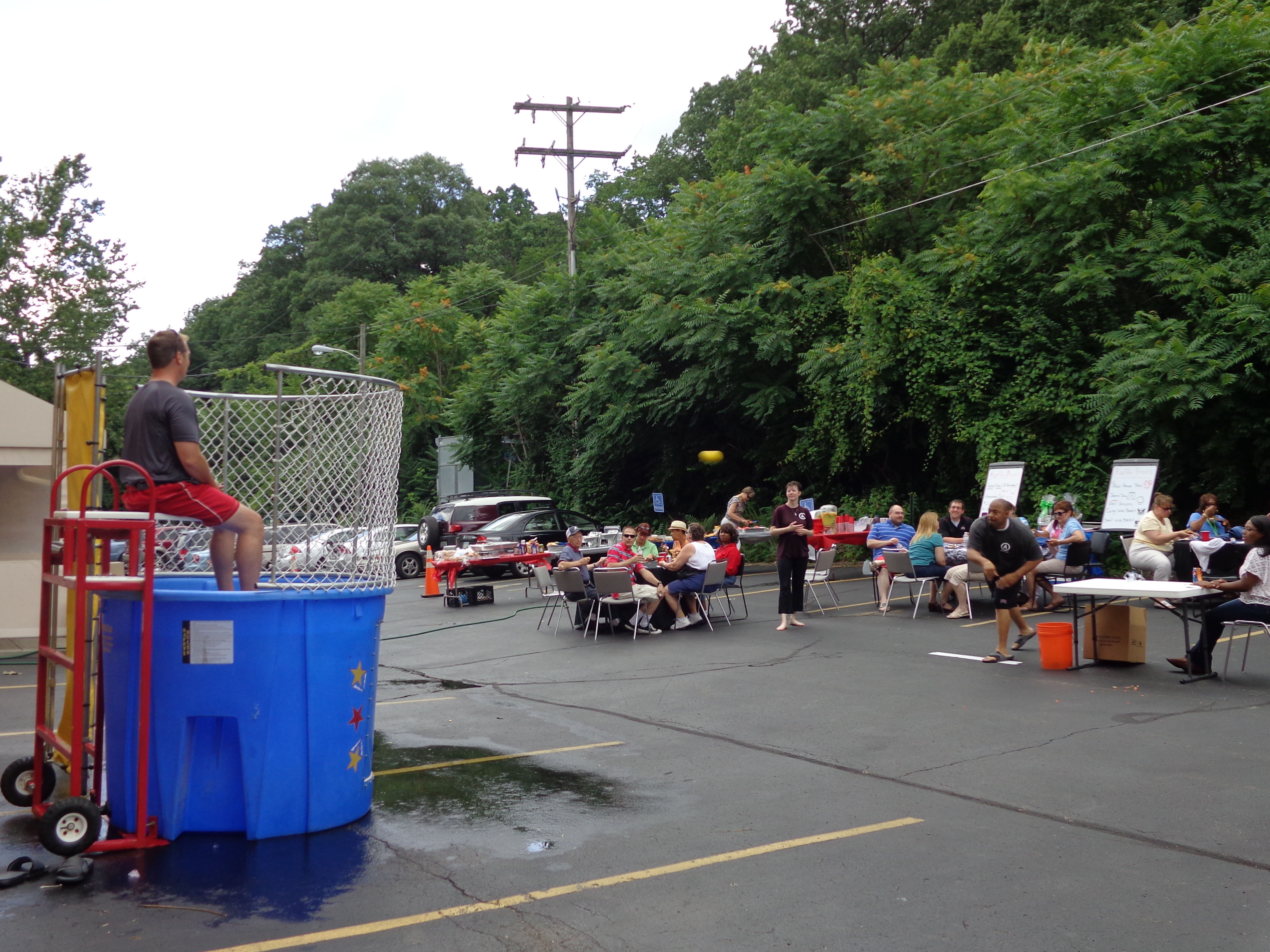
Gerard from halfway house programming winds up
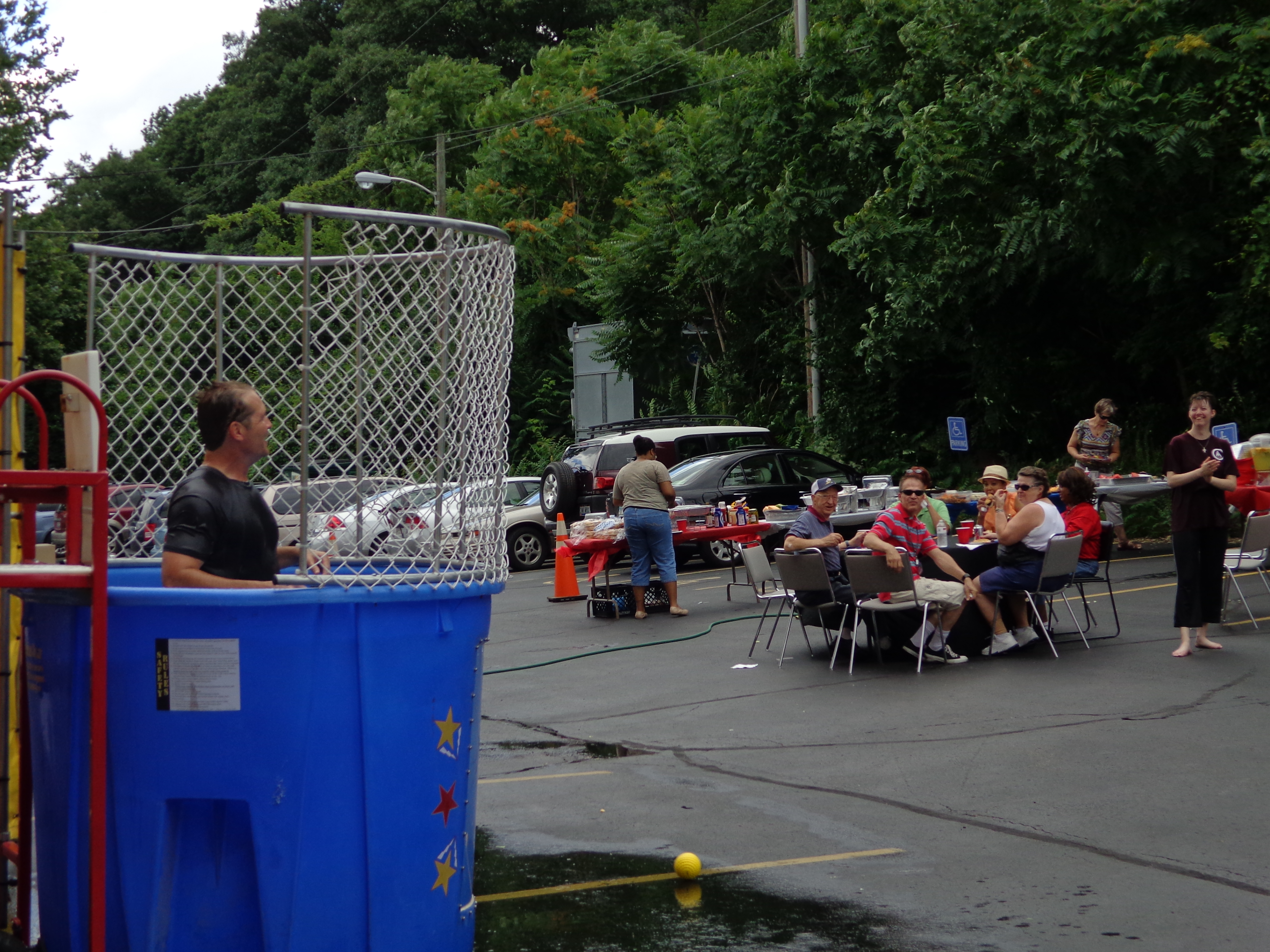
And, success!
As far as work goes, I have been in and out of meetings every day, trying to learn as much as I can about Alvis House as an organization, its clients, its sources of funding, its strengths, its weaknesses, its service model, its strategy, etc etc. Despite their insanely busy schedules, every head of department, director, and program manager that I’ve contacted to set up an interview with has graciously taken the time to speak with me, and I’m very grateful to each of them for that. I was even able to take a few field trips to the re-entry center, one of the men’s halfway houses, and the intermediate care facility for clients with development disabilities. One of the major differences between DD (developmental disabilities) and corrections is the emphasis on individualization for DD clients. Clients in the intermediate care facility are able to decorate their rooms however they like, and my favorite was a double room in which one roommate was seemingly an avid Michigan fan, the other a diehard Buckeye. A bit of friendly competition to keep things interesting! I also liked learning about the emphasis on community interaction and service that is instilled in all clients, both DD and correctional. Many at Alvis House believe that education is vital not only for clients, but for the public as well. Allowing ex-offenders to live and work in their neighborhoods while undergoing cognitive-based therapy and supervision by Alvis House is the best way to change their behaviors and re-integrate them into the greater community.
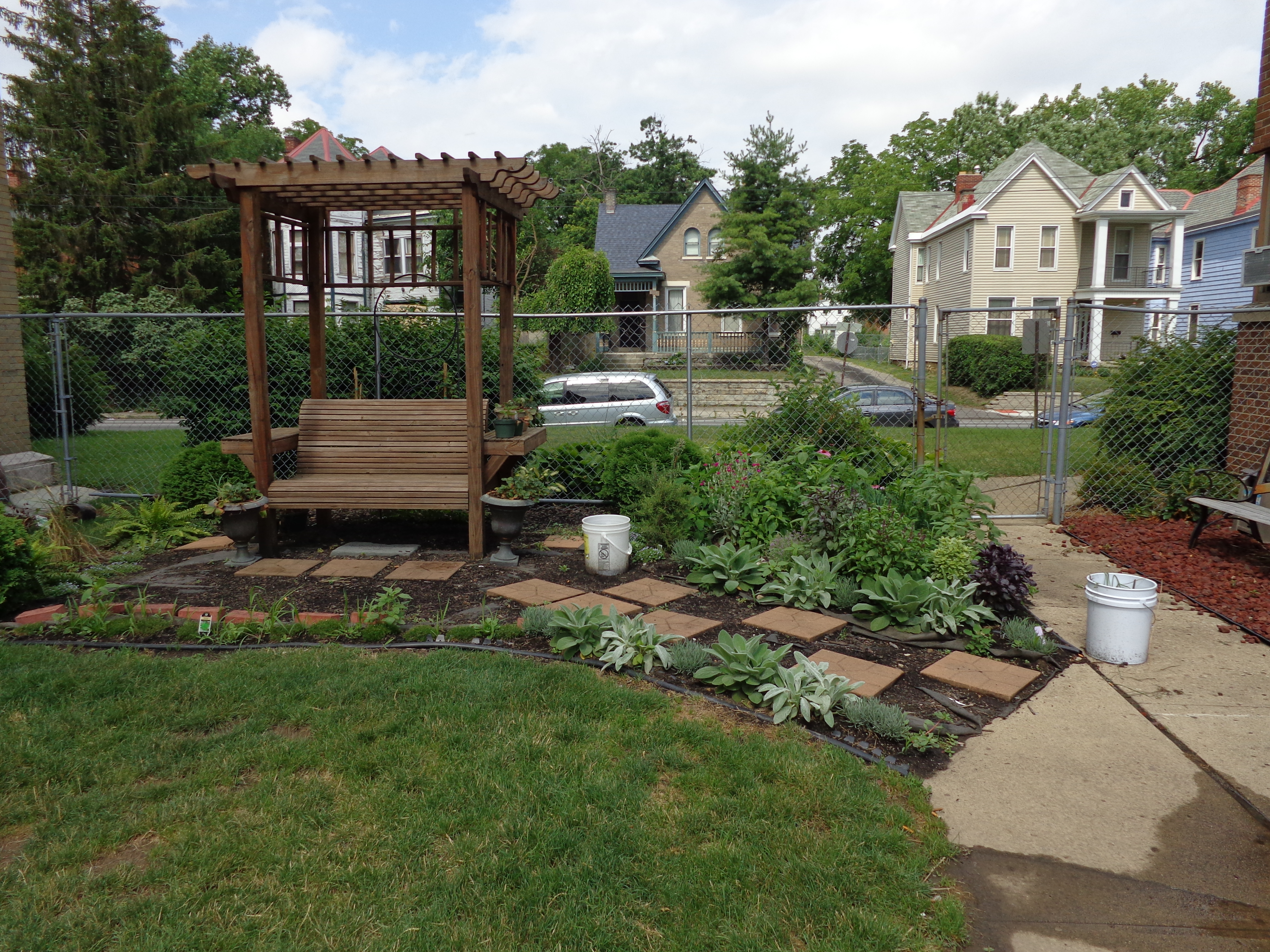
The gardens outside of Wittwer Hall, the intensive care facility for DD clients, were put in by the residents.
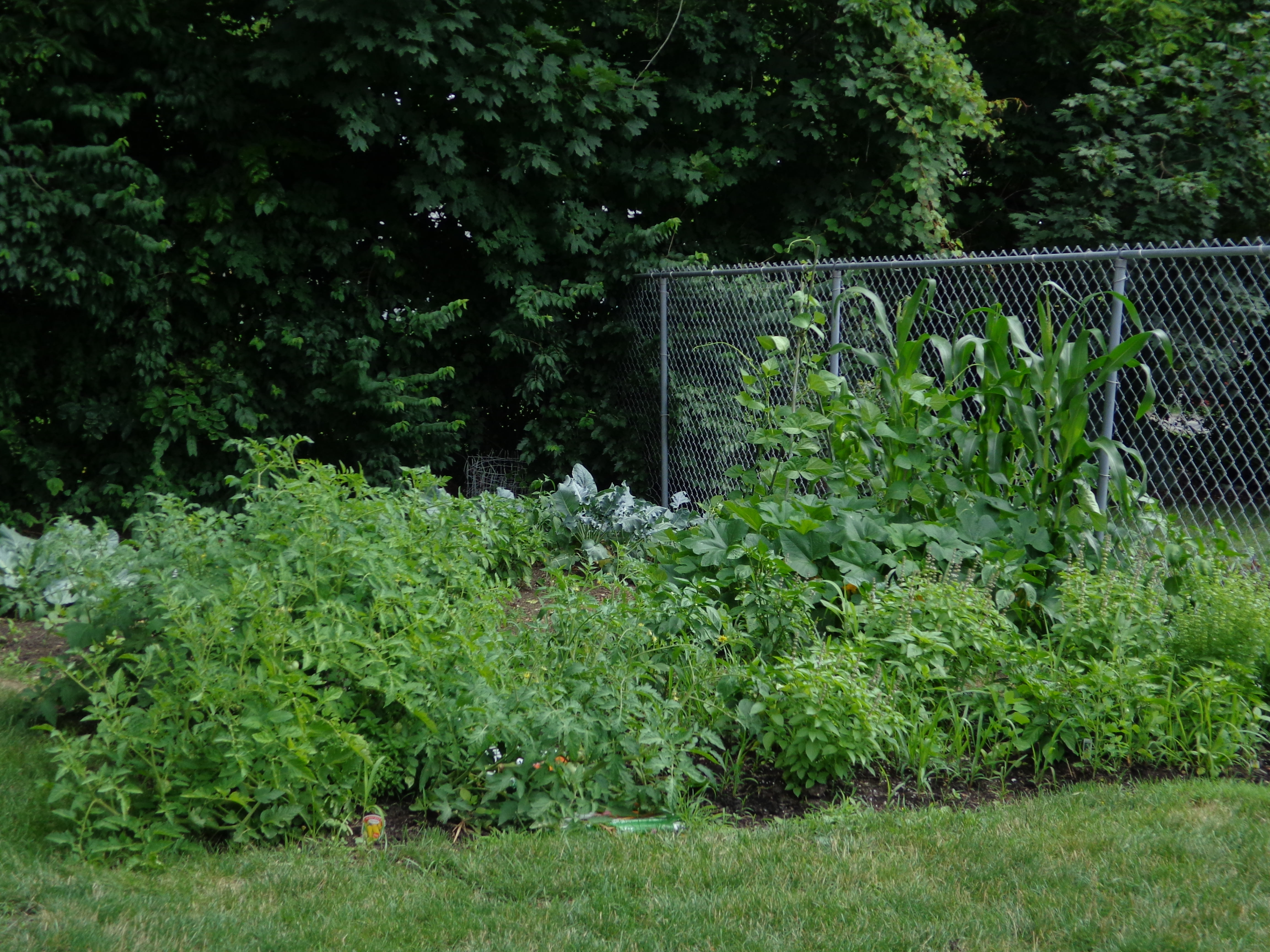
The clients do a great job of maintaining and caring for the gardens.
It also helps to demonstrate to the public that people are people: they make mistakes, they learn from them, and a lot of them move on. Ex-offenders are not doomed to lives of crime. Many of them become involved in the criminal justice system when they’re young and then spend the rest of their lives trying to bounce back from their first offense, convincing potential employers and new acquaintances that they’ve changed. It was great to see in person the facilities that I’d been hearing so much about and to actually meet a few of our clients. It’s given my fellowship experience a more concrete/”this is who you’re helping” feeling, and I couldn’t be happier to be working for people, for their betterment and their happiness. (More on this topic in my next blog, this one is getting a bit long!)
 Columbus Foundation Fellowship Programs