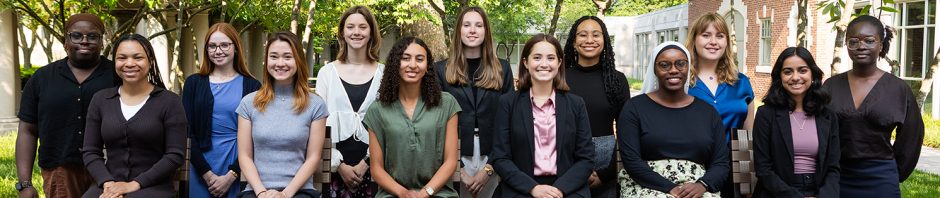
Nine weeks of the summer fellowship is in the books. One week left. Where did the summer go? In hindsight, it has been a productive, didactic, albeit short, experience with the Vineyard Community Center.
In this penultimate work week, I completed one of my two fellowship projects–the development of an instructional volunteer workbook–and I invested a significant amount of time preparing an interesting naturalization case. In this particular case, the newlyweds happened to be just a few months older than myself, which sparked some personal reflection. The bride is a natural born American, however the groom immigrated to the United States for college; their paths fatefully crossed while pursuing their education, and following a presumably Disney-esque first two years together, they decided to get married. Of course, the groom, not being an American and only in this country on a temporary student visa, must apply to become an American, a process known as naturalization, in order to permanently stay in the States.
The naturalization process is a long and burdensome one. In an effort to deter “citizenship marriages”– where a couple gets married and files naturalization paperwork solely for the purpose of naturalization, and after successfully achieving their goal the couple divorces and moves on–the United States government has created a cumbersome process for those seeking to gain citizenship through marriage. The government does not want to be taken advantage of, but simultaneously, it wants to provide an avenue for citizenship for those couples who are genuinely married. Thus, the burden of proof of marriage is enormous and must be satiated with a myriad of evidence. The number of requisite forms that necessitate legal assistance is also quite impressive, and I had the fortuitous opportunity to work on all of these forms this past week. Subsequently, I sat in on a meeting between the couple and my boss, where I was able to put the faces to the names. Invariably upon meeting the clients that I completed some casework for, I feel an immense sense of satisfaction in my work. Although the majority of it is done on a laptop in an impersonal cubicle, it is making a profound impact on the lives of real people, who have pressing problems that we are helping assuage. The casework is ongoing, again, the reality of this sort of work is that there are rarely any opportunities for instant gratification, but it was an inspiring way to complete my 9th and penultimate week as a Columbus Foundation Summer Fellow.
 Columbus Foundation Fellowship Programs