
The Calm before the Storm

My favorite Muppet - Beaker!

My favorite Muppet – Beaker – demonstrating what my face will probably look like when the campers get here!

This is the last workday before our campers arrive!  It’s pretty quiet in the museum and office today, so I’m relishing the quiet and enjoying the chance to sit down and have a moment of peace, especially after the wild (and wet!) weekend at the Columbus Arts Festival, where we ended up making art with over 600 children and their families.  It’s nice to have a little bit of a break between the two busy events. Teen Summer workshops begin next week with classes what experiment with metals, draw cartoons, and create their own Muppets. I’m especially excited about the Muppets – I hope I can sneak into a few classes and make my own!  Campers sign up for half-day or whole-day classes, and there is room for 12 campers in each class, which means there be 36 tweens and teens invading the museum next week.

Although any teen can take these classes, they are a great opportunity for the artistically inclined to really dig into their interests, work with talented craftspeople who make their living creating and teaching, and get exposure to new techniques and hone the skills they already have.  And especially with these older students, it’s a great chance to show them that the arts can be a meaningful career choice, whether as a practicing artist or in an arts and culture non-profit organization, not just a hobby.  In the United States, the arts support 4.1 million jobs and create $135.2 billion in economic activity each year (Americans for the Arts).  Additionally, research has shown that participation in the arts and arts education in schools makes a measurable difference in student performance and learning, including higher SAT scores, better attendance and retention rates, and stronger reasoning and problem-solving skills.  I am the Vice-President of Central Ohio Student Advocates for the Arts (COSAA) at Ohio State, and this winter I had the chance to go to Washington, DC to participate in National Arts Advocacy Day and speak to Ohio legislators on Capitol Hill about the value of the arts and ask them to support funding for arts education and the National Endowment for the Arts. I feel passionately about my role as an arts advocate, and what is even more important than talking about the arts is doing them, and supporting other artists…especially young artists!  That’s why I love the classes and camps at the Ohio Craft Museum and am so honored to be a part of the important work they do.

This week, we finished prepping our 3 classroom spaces with all the supplies the teachers and classes will need for the week, putting up all the necessary signs and directions, and finalizing the schedules. But, I also got to work on my own art skills as well!  Loyal blog-readers will see all my projects in the weeks to come, but here’s a quick preview of some of the projects I am testing – punched tin, several (failed) attempts at making tie-dye with Sharpie markers and rubbing alcohol, and painted picture frames.

Samples of punched tin wall art (left), a punched tin lantern (middle), and a punched tin mobile (right)

Samples of punched tin wall art (left), a punched tin lantern (middle), and a punched tin mobile (right)

When you spray rubbing alcohol on Sharpie markers, it makes a cool tie-dye effect…supposedly. Foil test fail (left), paper test fail (middle), fabric test SUCCESS (right)!
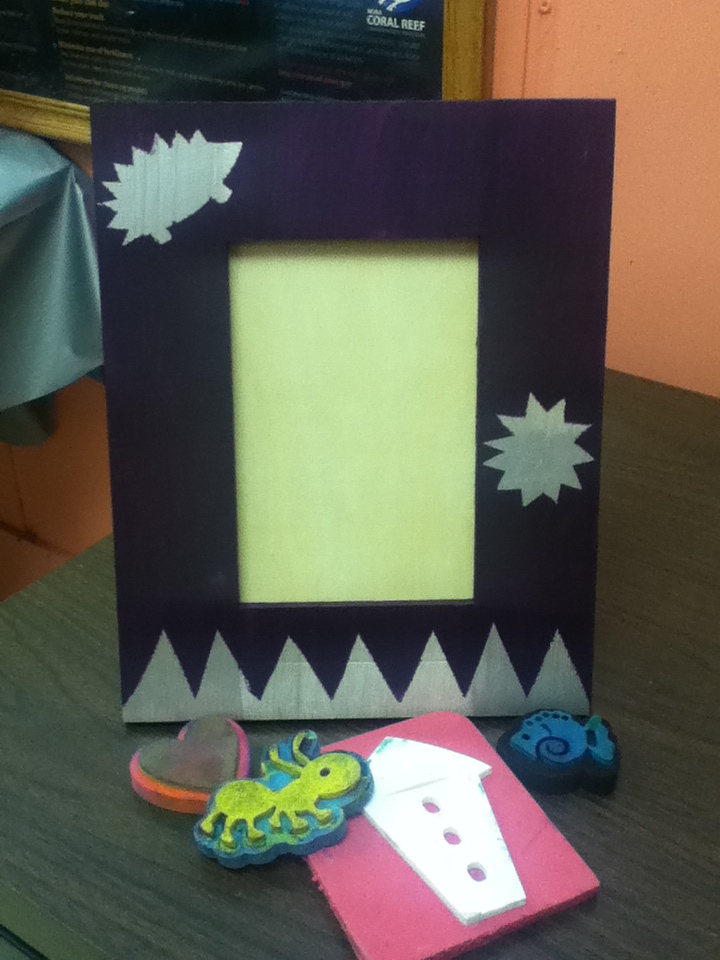
Painted picture frame for pet-project week. I chose my pet hedgehog as my model 🙂

Leave a comment

FLOWriding, a Bike Commute

It is hard to believe that it has now been two weeks working with FLOW and being a Columbus Foundation Fellow! I spent most of this week biking to the Clintonville office from my place near Ohio Dominican on the east side. This has given me the chance to see many of the Olentangy’s tributaries like Glen Echo and I even found some wild cherry trees to stop and chow down. I’ve also biked down the Olentangy bike trail, which is like the I-71 or 315 of Columbus bikeways. Many spots along that trail have noticeable projects that FLOW or friends of FLOW have worked on or improved. On one of my journeys home I was met by a FLOW volunteer who showed me the location of approximately 2000 trees have been planted in the last 7 years. Many of these trees are now over ten feet tall in some cases and absolutely thriving. I also got to explore various types of rain gardens and butterfly gardens that have been planted in Clinton-Como Park as well as a nice patch of wild black raspberries for my hungry days. Also in that park was a restoration made by AEP after the company buried a gas pipeline despite the wishes of the community. To AEP’s credit, the area they have replanted appears to be doing well and has brought back many amphibian species that previously were not to be found. Just down the trail from this park is a private community called Olentangy Village who have planted over 1000 trees in about 5 years and have made future plans for ecological restoration including signage that explains some of the areas they have restored. From this point to Ohio State you will come across the OSU Wetlands, which is a masterpiece of biological diversity. One day I nearly biked into a deer crossing the path and another I was distracted by an Oriole who was flying above. Nearly this whole stretch of the bike path has a low hanging mulberry tree which is great for a periodic snack. I encourage many of you if possible to bike commute, and if not at least get out and enjoy this beautiful trail and river!   Here are some wildflower pictures from this week,

IMG_0047

Flax


IMG_0062

Hemp Dogbane

Leave a comment

The Heart of the House

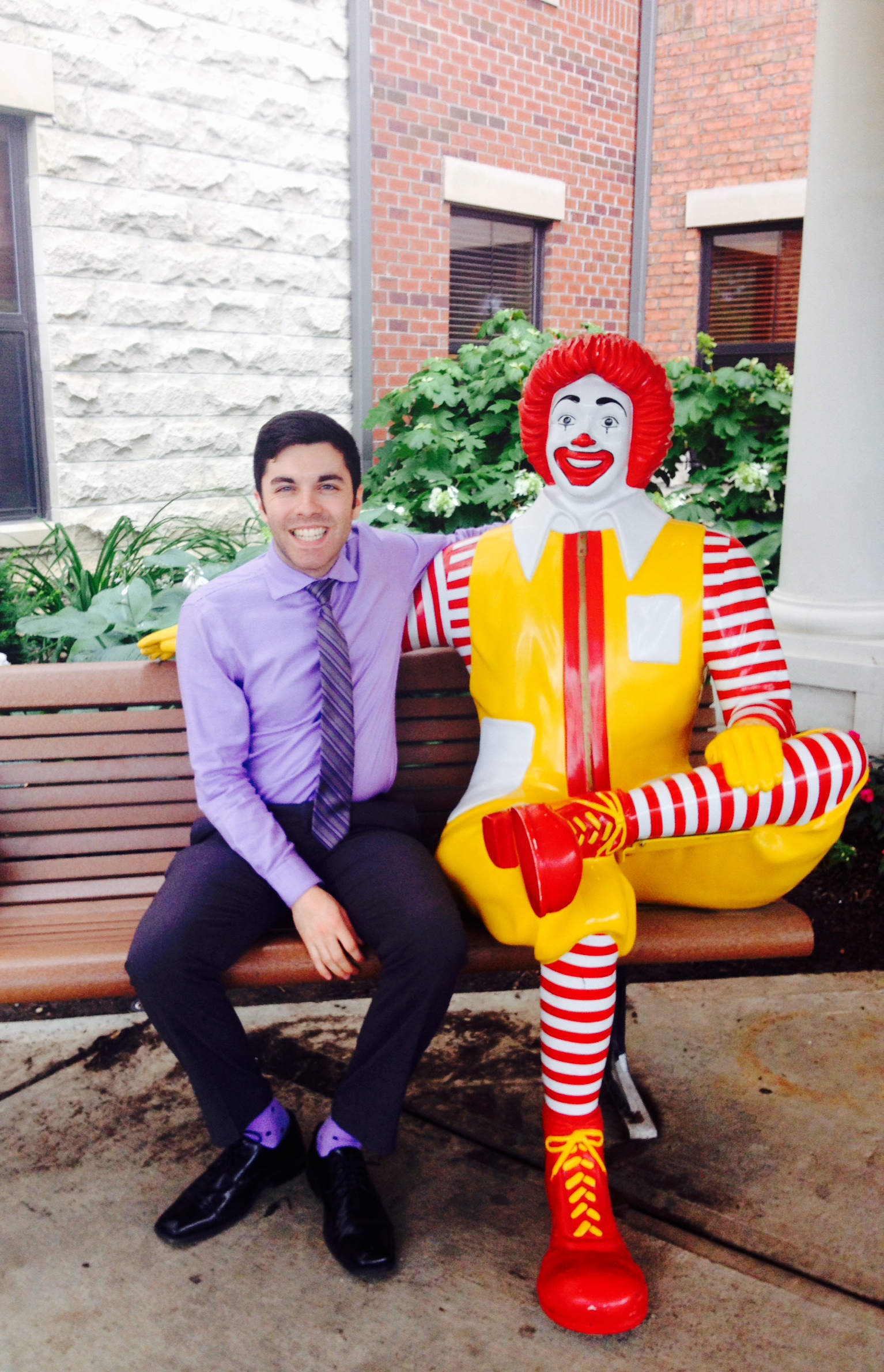
Ronald and I outside the house!

Ronald and I outside the house!

After reading my first blog post of this summer, I realized that I never introduced myself to readers of the Summer Fellows Blog! So here goes: My name is Sean Brewster and I am a senior at Otterbein University studying Music & Business with a concentration in Fine Arts Administration and a minor in Business Administration. I plan on actively pursuing a career in arts administration upon graduating from Otterbein, with the long-term goal of becoming an executive director of a large arts organization. A large part of my undergraduate career has involved internships at numerous arts and non-profit organizations in the Greater Columbus area. This pursuit of professional experience is what eventually led me to applying for and being chosen for the Columbus Foundation’s Summer Fellowship Program. I am beyond excited to have just finished the second week of this fellowship, time is truly flying!

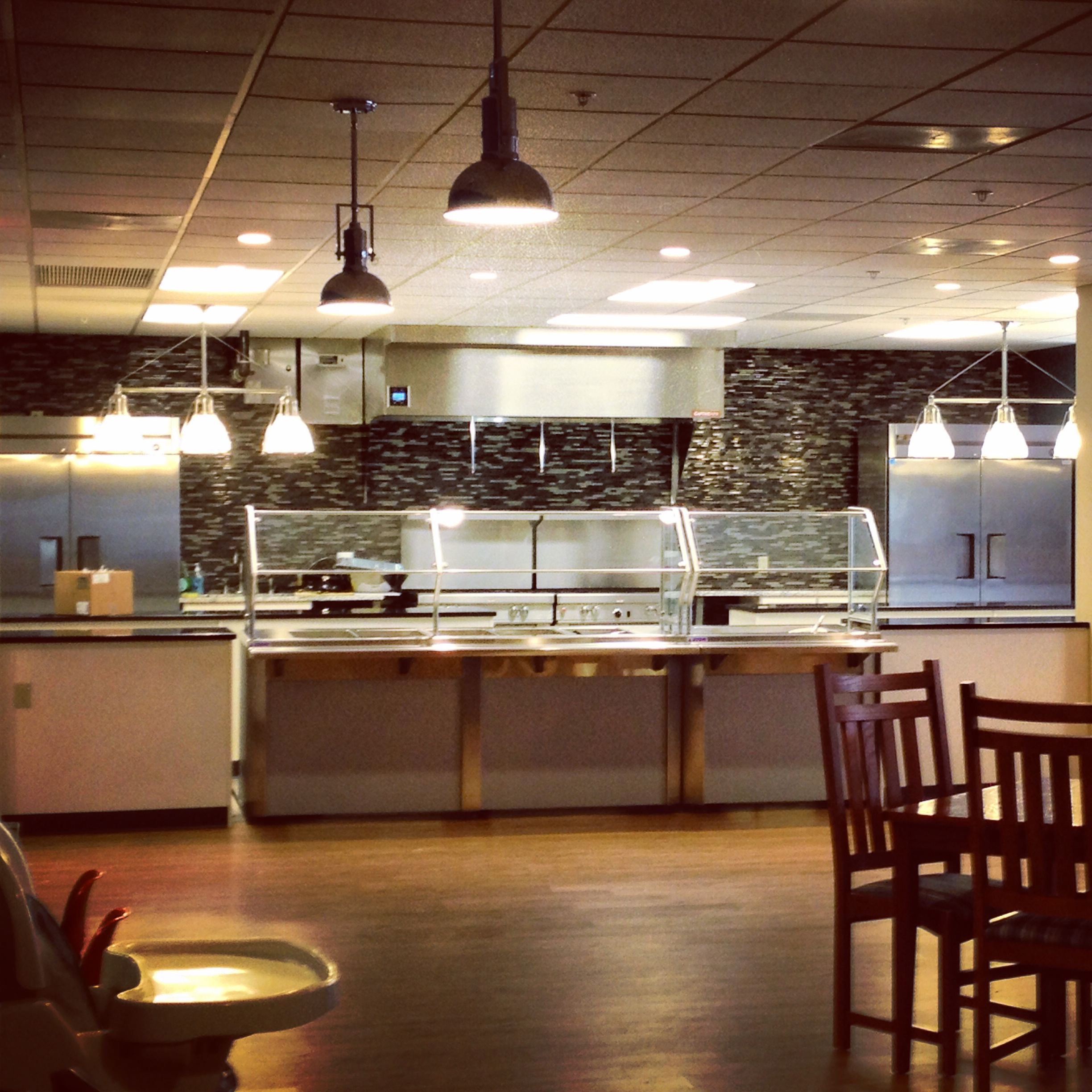
The beautiful newly renovated kitchen

The beautiful newly renovated kitchen

My focus for this week’s blog post is going to be highlighting the ‘heart’ of Columbus’ Ronald McDonald House. The physical heart of this house is definitely the newly renovated kitchen found on the first floor. This space is one of the largest community spaces in the house and acts as a hub for most activities. Most days you can find a team of volunteers baking tasty treats for the house. Every single night a different meal team from the Columbus community comes into the house to cook the family’s dinner and then eat with them. Throughout the day, families come together to make breakfast and lunch before they head across the street to Children’s Hospital. Even the free McDonald’s coffee, which so far has been one of my favorite parts of this internship, has a home at the far end of the kitchen. While this may be the physical heart of this house, I propose that there is another living ‘heart’ of RMHC: the numerous individuals who volunteer their time at this house. Volunteers are truly the heart of this house.

RMHC Perk #1: FREE McDonald's Coffee

RMHC Perk #1: FREE McDonald’s Coffee

This second week at Ronald McDonald House Charities of Central Ohio has literally been a crash course in Volunteer Management 101 and Donor Stewardship 202. In preparation for my main project of creating a Volunteer Stewardship Plan, I have been thoroughly researching Volunteer Management, Donor Stewardship, and Volunteer statistics. Through this research, I have learned about the numerous similarities between a donor and a volunteer. Each of these constituents is vital to the success of a non-profit and each of them is equally important. A donor gives their money and a volunteer gives their time, it is important to note that each of these gifts are equally valuable. This is especially true when you consider that the estimated value of a volunteer’s time for 2013 was $22.55 per hour. At RMHC there are more than 275 volunteers that work nearly 35,000 hours each year, equaling an equivalent value of $1,000,000.00. Not only do these volunteers create a place for families to physically stay but they also make this 80,000 square foot facility a home. As you can see, Columbus’ Ronald McDonald House owes its clear success to these outstanding volunteers. It is my job in the coming weeks to develop a plan that is fitting for such a fantastic group of people. I am excited  to create such a plan that consistently recognizes, rewards, and renews volunteers’ interest in RMHC.

Tagged , , , , | Leave a comment

Finding the Right Tools

I’ve never been much of a diagram guy.  My Public Health master’s program spends a good bit of time on program planning and teaching us to create things like logic models, but as someone who tends to be more narrative-focused, writing out my goals in little boxes seemed like an unnecessary step to me.

Continue reading

Leave a comment

The Need Conundrum

Image

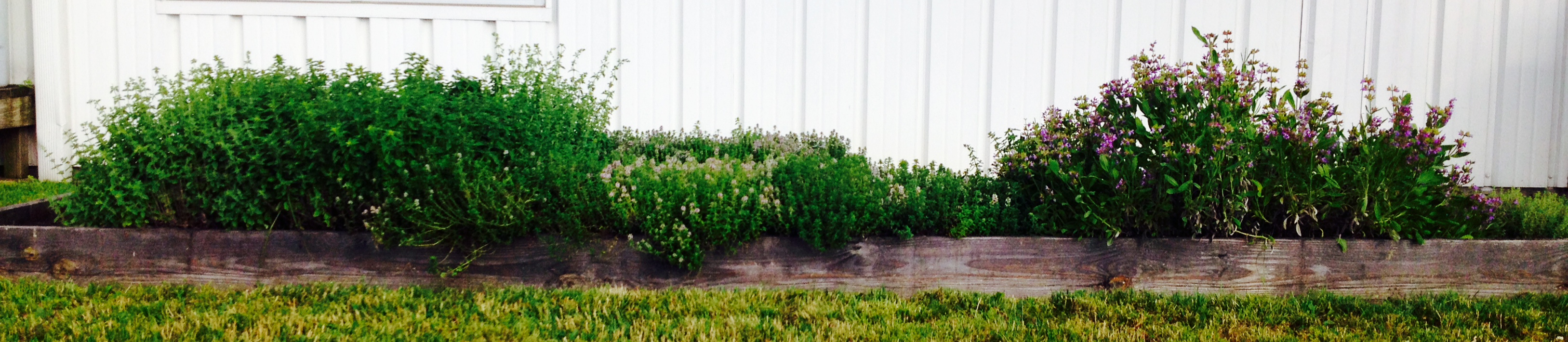
We completed the pea teepees and did great work on our herb garden. Currently corn, cucumbers, and squash are germinating and we have successfully on-boarded AmSpirit as a partner in the garden as well! The concept of food-banking may seem strait forward. You store food to give to those who need it. However, at the food bank we are continually redefining what it means to have “need” and instilling in our volunteers and staff that no need is put above another persons, even if they need less than another. This may seem unjust but think about it this way. How complicated would it be to try to service only the people in chronic poverty and hunger versus just episodic? How could you even go about defining who fits into which category of need and then adjusting their priority to be fed accordingly? So we avoid this conundrum and in my opinion justly categorize any form and severity of need as the same need across the board.

Image

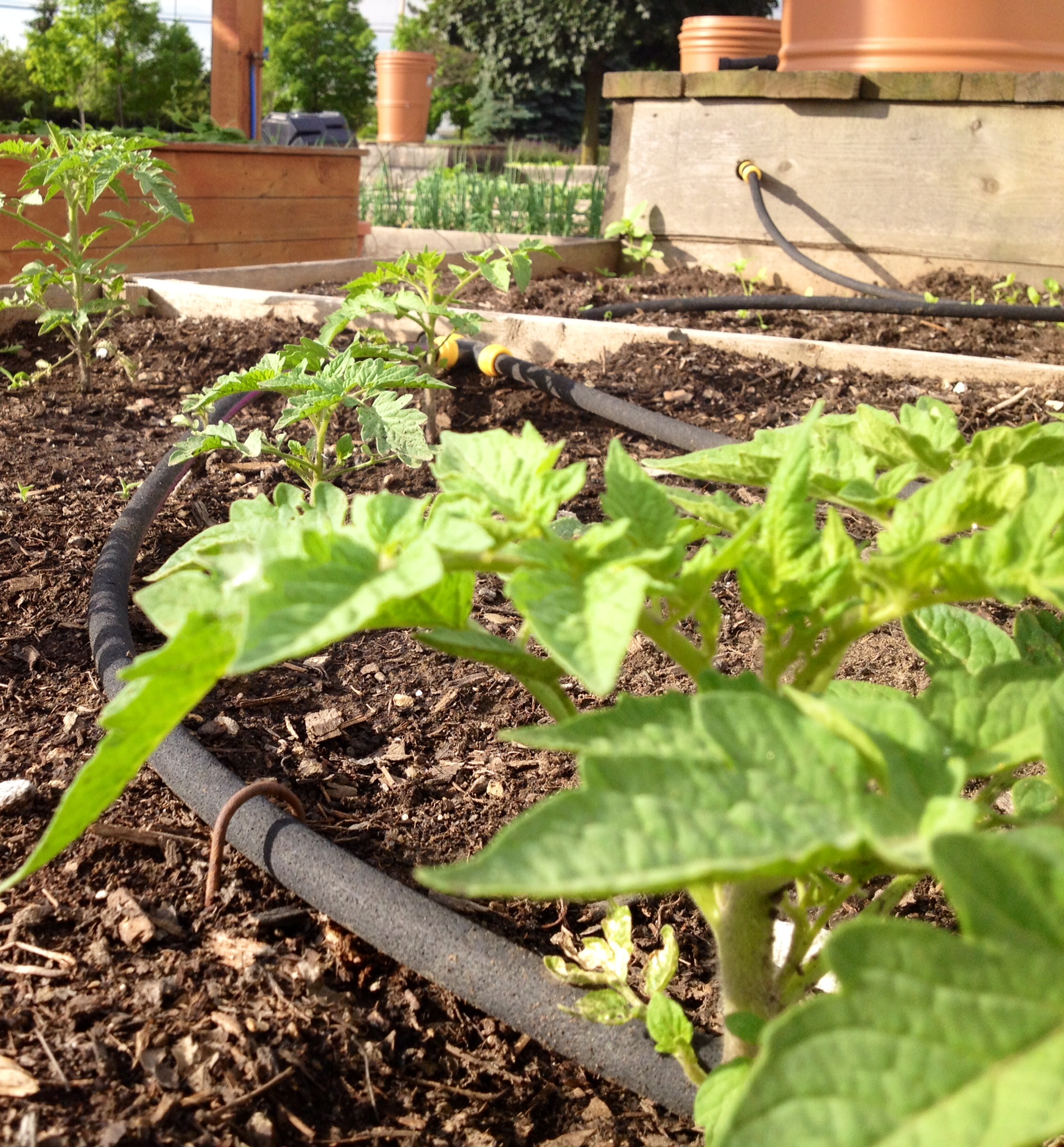
The above photo is of a tomato plant and a drip line for irrigation. These hoses are porous so they spray a mist when water runs through them and we have the nozzle on a solar powered timer to let water through early in the morning, the afternoon, and later at night on the days that we do not have a garden shift.

Image

Just to give an idea of literally our mission is realized. Our garden produce gets weighed and goes directly into the pantry where our clients shop, just 10 yards away. Sometimes clients even pick the veggies from the vine as they enter or leave the pantry.

Image

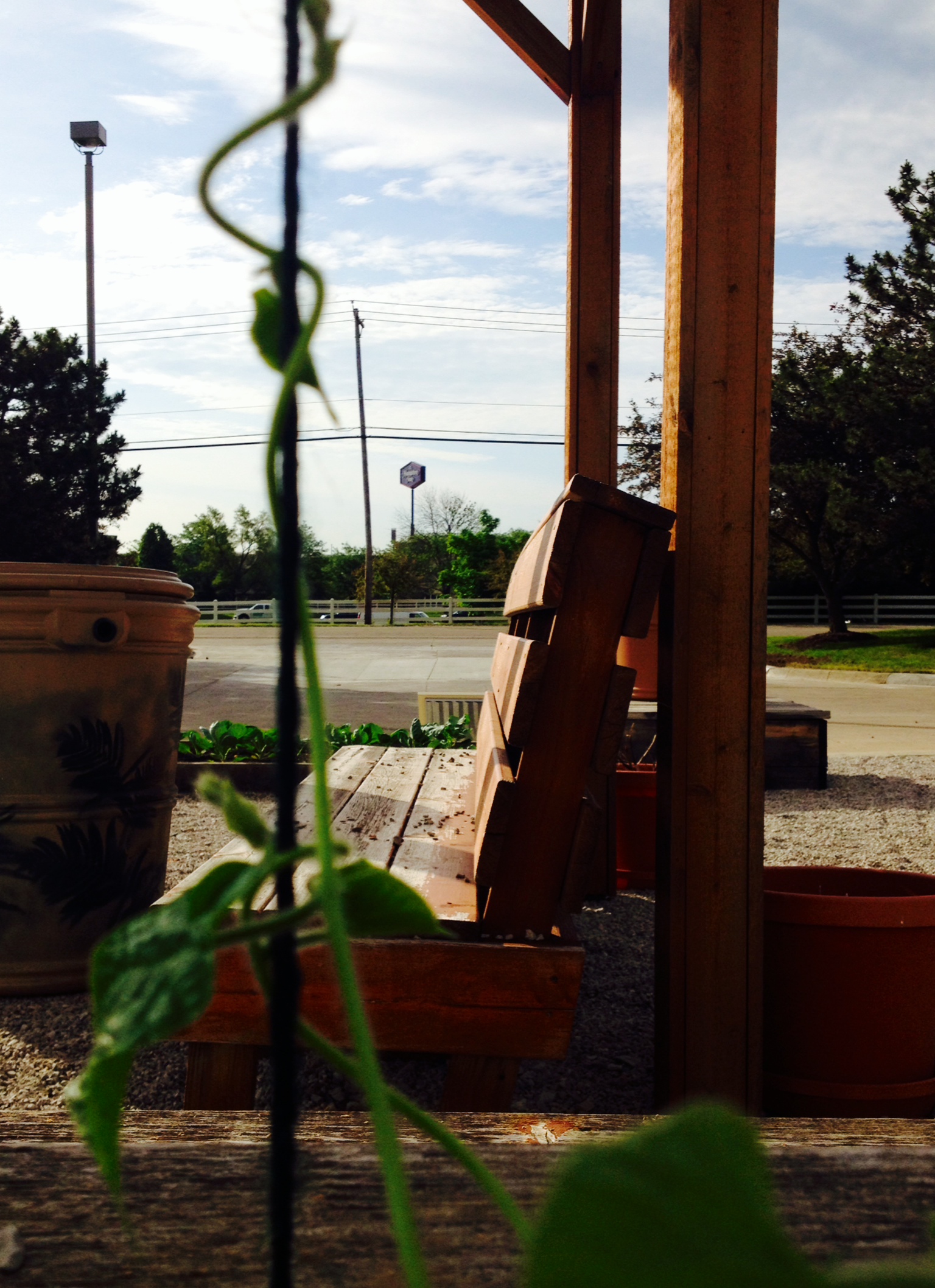
I attached garden yarn to our gazebo with a staple gun so that the morning glory vine can crawl up the side and form a natural wall of greenery. This is just an artsy shot of a bench inside the gazebo and vine beginning its ascent.

Image

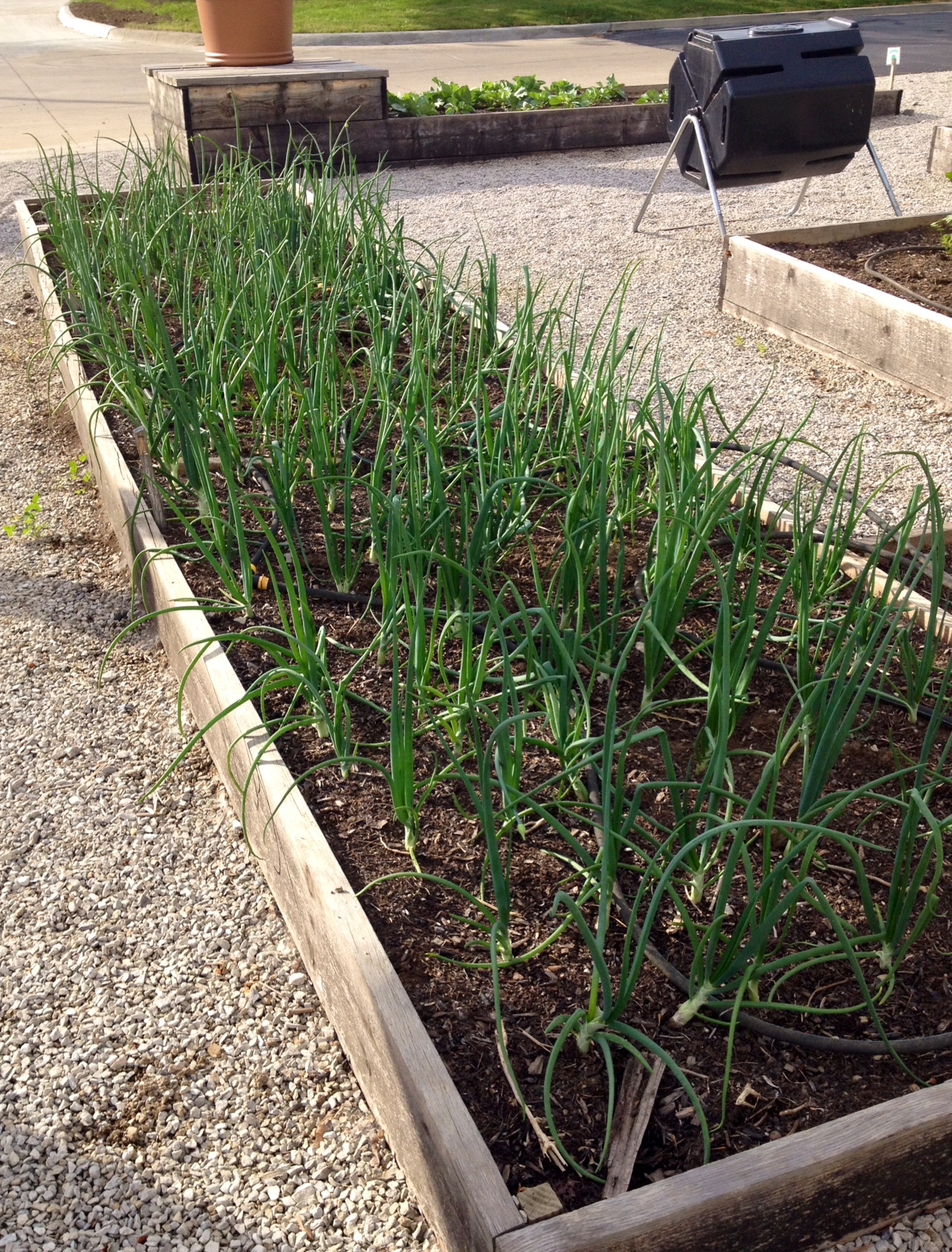
This is our onion bed with three different varieties of onions. You have to wait until the green shoots almost look like they are dead before you can harvest the onion bulb from the earth.

Image

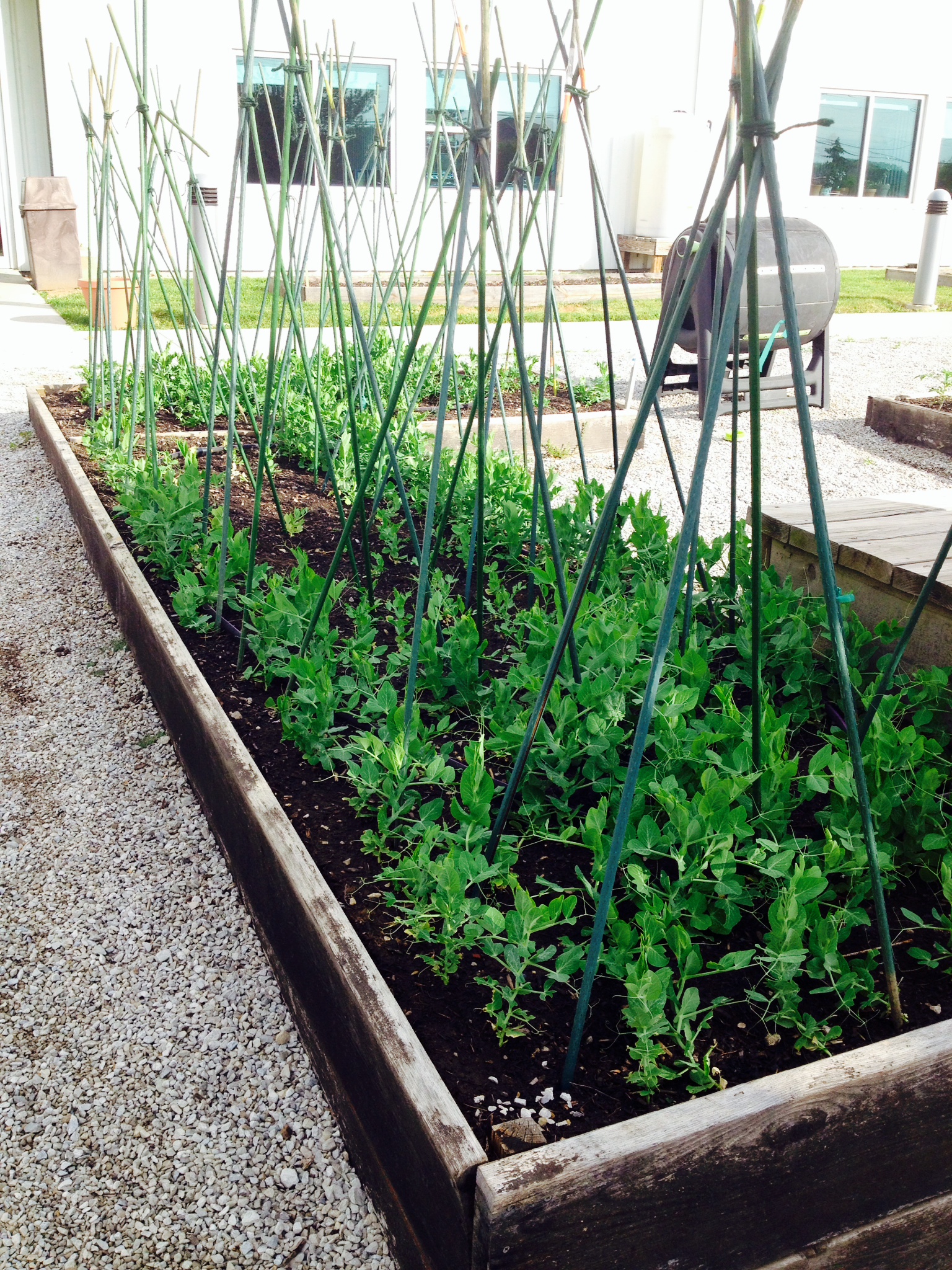
These are our pea teepees for the pole pea plants to climb up. A mother and her daughter volunteered the other day and this is what we did together.

Leave a comment

The Garden at MOF

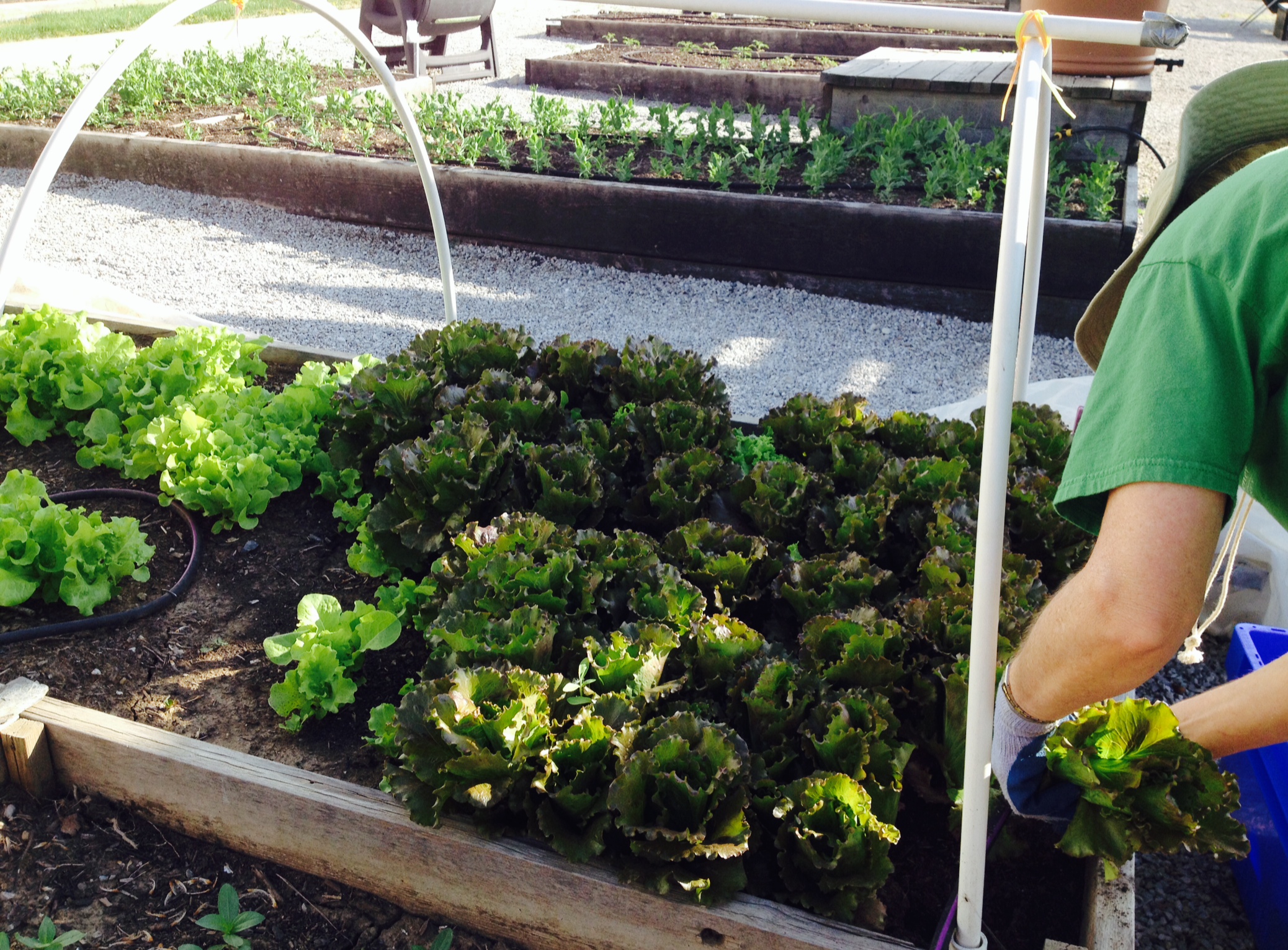
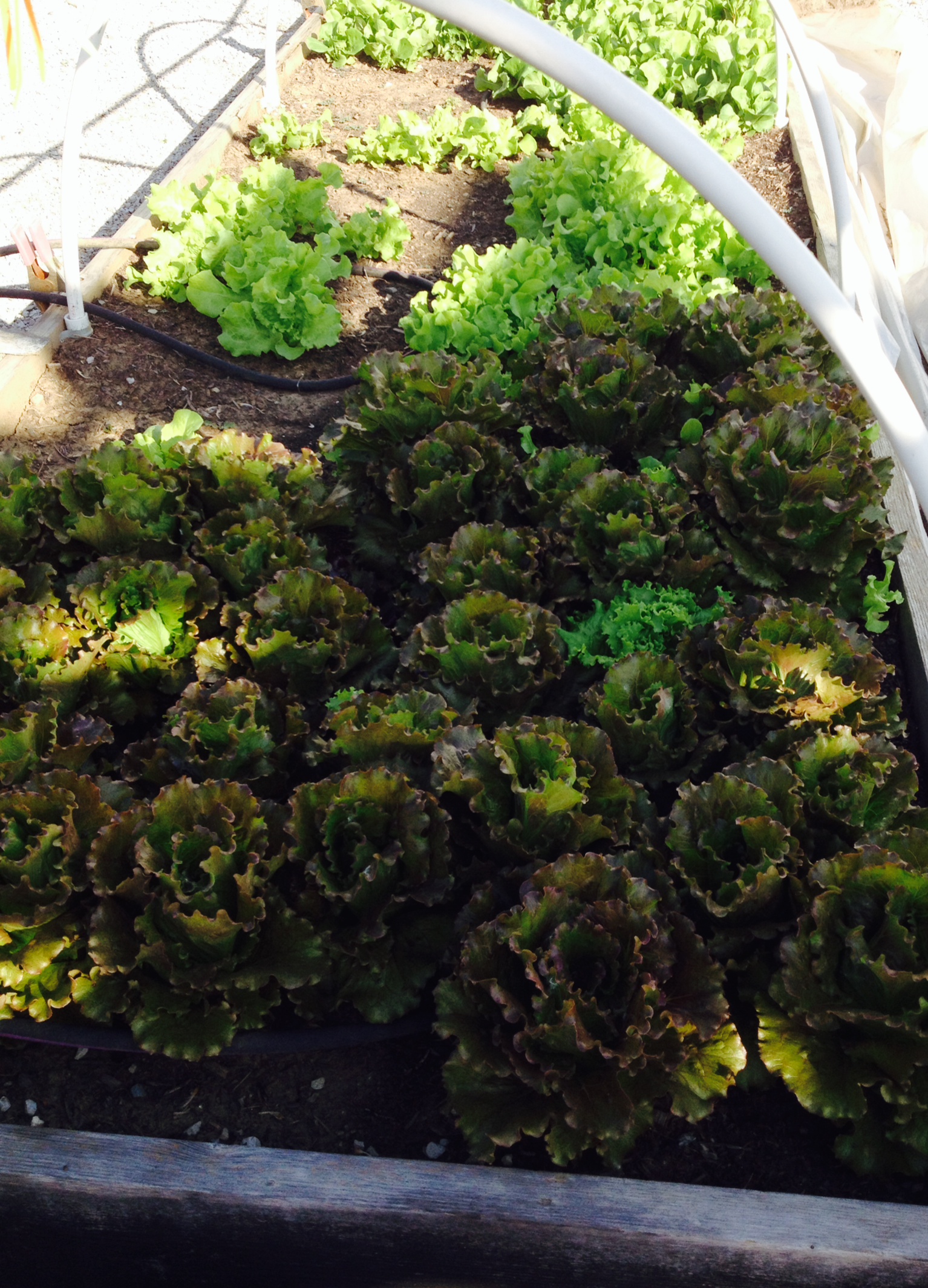
One of my responsibilities at the Mid Ohio Food Bank is running the volunteer hours at the Community Garden here on-site. Last week we harvested 18 pounds of lettuce and 3 pounds of radishes that went directly into the Kroger food pantry while our clients were shopping. They probably had the best looking and freshest produce to choose from. This week we will be harvesting the rest of the radishes and lettuce as well as making pea teepees and cleaning up our herb garden. So far our organizational and corporate sponsors that take care of their own plot and help out with some of our beds are Lane Bryant and the Lions Club. We are to have two more partners very soon!

I also work closely with our onsite pantry where clients can come in and shop for themselves and/or their family. Today I conducted surveys that will better inform us of our clients needs and allow them to give us feedback on what they want as far as a pantry experience goes and what other resources we should offer information about. At the food bank, every step of our work we ask the question, “how does this affect the client?” and this survey is facilitating us to better understand what that question means and how our answers can be better informed by the voices of the client themselves. Currently our survey is only in English so I am working on a translation to Spanish for the clients who are Hispanic/Latino. This will allow us to encompass a large demographic that is excluded from English only surveying. Another interesting and quite amazing thing about our pantry is that many times clients will come in as volunteers as well or help stock the pantry while they are waiting. We had a woman today helping us sort through pints of strawberries to through away the bad ones and consolidate the good ones. She was the fastest worker out of all of us doing the same job.

I am learning a lot and I cannot wait to learn more!lettuce 1 lettuce 2

Leave a comment

The Everyday All-Nighter

During my first week as a Columbus Fellow with the Broad Street Food Pantry, I have, of course, learned more than I expected from the entire summer. Thus far, I’ve learned enough about the inner-workings of the food pantry to field client and volunteer questions with about 80% confidence and 90% accuracy. I’ve learned how to successfully navigate Broad Street traffic as well as the sprawling Broad Street Presbyterian church. But, my most impactful lesson by far has been a peek into how frustrating, distressing, and exhausting it is to be poor.

As I continue to seek out information about the challenges of living in poverty, I am simultaneously shocked, overwhelmed, enraged, and impassioned. I am already noting endless evidence of poverty’s cyclical nature and its unjust relationships to race, location, gender, disability etc. I recently came across a staggering interview from Harvard economist Sendhil Mullainathan in which he attempts to relate the debilitating effects of poverty on one’s mental state. Mullainathan explains that the toll of stress and malnutrition inherent to lower socio-economic status causes peak mental functioning to mirror standard functioning after losing a full night’s sleep. “Picture yourself after an all-nighter,” Mullainathan says. “Being poor is like that every day.” Wow. As a recent college graduate, I can vividly recall a few of my own all-nighters. My biggest task was slugging down some coffee afterward to make it through a one hour class before I could go home and nap. Imagine having to then go to (or search for) an under-paying job, care for and feed a family, maintain personal physical and mental well-being, and still remember to budget and pay the bills on time.  Just thinking about it makes me stressed!

When I tell friends and family about my summer job, I am mostly met with genuine support, but I cannot believe that I still have to answer the occasional “Well, aren’t a lot of those people just taking advantage of the system?” question. Throughout my first week, it becomes increasingly clearer that most of “these people” are doing their best in a system that takes advantage of their disadvantages. Furthermore, oppressing factors of poverty like strained mental health, limited access to healthy food and medical resources, lower-quality education, and biases in our judicial system keep people virtually chained to a lower socio-economic status. I am so fortunate to work with a pantry that aims to give people a sense of agency in at least their food selection.

The Broad Street Food Pantry works to offer a range of grocery choices for clients to “shop” through, but accessing and storing fresh, nutritious food remains a challenge. That’s where I come in. This summer, I hope to connect with other Columbus resources and develop programming of our own to enable clients to supplement the food they get here with fresher food and information on how to prepare food in healthy, tasty ways. Better nutrition and varied diet will mean more energy, stronger focus, and healthier bodies for our clients. It may be a small change, but it’s a change that can help lead to the self-sufficient, higher-quality lives that everyone deserves. Wish us all luck as we work together to form a healthier Columbus community!

Tagged | Leave a comment

The Start of a Charitable Summer

This past week in The Columbus Foundation Summer Fellowship Program, where my nonprofit placement is the Charitable Pharmacy of Central Ohio has been a great experience. The Charitable Pharmacy of Central Ohio increases access to affordable prescription drugs and pharmacy services for low-income, underinsured and uninsured individuals in the community. Services to these individuals are related to health and medication counseling, free prescriptions and referral support to area social services. I am excited to help fulfill the Charitable Pharmacy’s mission, which is related to healthcare access; it is a policy interest of mine and is timely, relevant and compelling as healthcare access has become an increasingly salient focus within our society. As a student of the John Glenn School of Public Affairs at The Ohio State University, how public policy affects our society, whether it be through government affairs, research or policy implementation, is an interest of mine.

The project I will be carrying out this summer is researching and identifying programs to assist Medicaid- and Medicare-eligible patients with the cost of healthcare needs, development an eligibility screening process, and to implement it. I will also be developing a patient resource guide. Prior to the start of this summer experience, I interned in the Health Care Fraud Section of the Ohio Attorney General’s Office, which allowed me to develop an interest in healthcare and health policy that I wanted to further explore.

On the first day, I had orientation at The Columbus Foundation, which was an enjoyable time along with meeting the other Fellows. After orientation, I reported to Pharmaceutical Horizons, Inc., a healthcare-consulting firm in Worthington, OH, where I would be for the first half of the summer, to do the research component of the project. To get the full experience of the Charitable Pharmacy of Central Ohio, and how it serves people of the community, I will be completing the research and implementation phase of the project at the Charitable Pharmacy. For the rest of the week and for the duration of the summer, I will be at the Charitable Pharmacy, which is housed in Livingston United Methodist Church.

Throughout the duration of the week, I was able to meet staff and also observe some patient health counseling sessions. Since opening in 2010, the Charitable Pharmacy has served over 3000 patients, and in 2013 dispensed over 50,000 prescriptions. Assisting the Charitable Pharmacy with the goals to provide affordable and appropriate pharmacy services and serving individuals in the community is something I am looking forward to this summer! A lot of individuals who use services of the Charitable Pharmacy are not familiar with various programs that could assist them with paying for their healthcare needs, so the project I will be completing will be of significant help to the Charitable Pharmacy and the needs of the community.

I am excited to make an impact in the community this summer and to be helping the Charitable Pharmacy of Central Ohio fulfill their mission and carry out their goals. Additionally, I am excited to also help the organization with community relations and local government affairs efforts.

Image

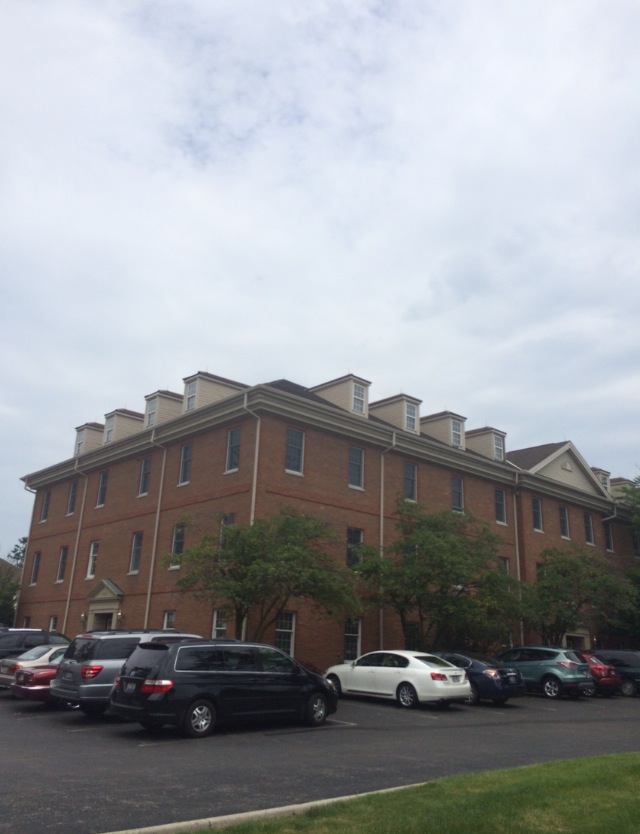
Pharmaceutical Horizons, Inc. in Worthington, OH.


Image

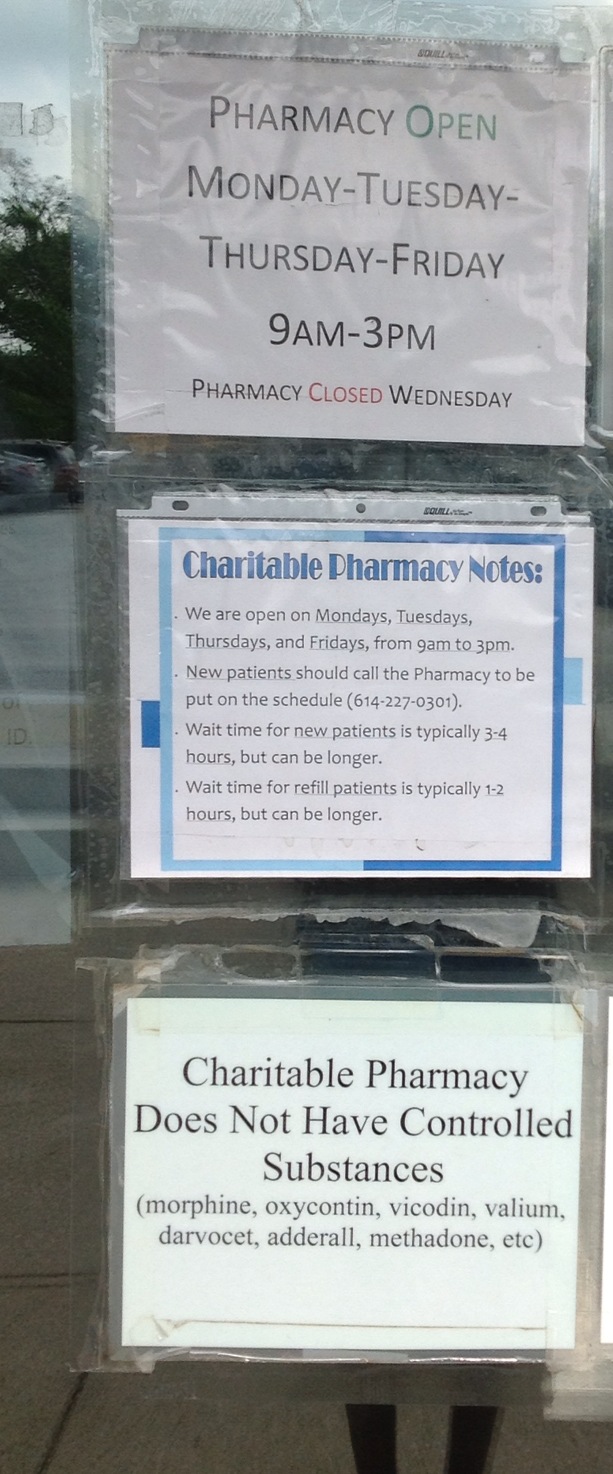
Signs outside the Charitable Pharmacy of Central Ohio


Tagged , | Leave a comment

Building Communities, One Person at a Time

Creating and preserving healthy, stable and affordable communities, one neighborhood, one person at a time.  This is Homeport’s mission, the mission I get to be a part of during this exciting, action-packed summer as their Columbus Foundation summer fellow.  Providing for others and serving the city of Columbus have been part of my life since I was a kid.  Growing up in Upper Arlington I always loved volunteering in any way I could and I carried that love into my experiences as I attended Roanoke College in southwestern Virginia.  Approaching my May graduation from Roanoke I wasn’t quite sure of what I wanted to do post-graduation; I double majored in philosophy and Spanish with a minor in sociology so I didn’t exactly have a clear career path ahead of me.  I had volunteered and interned with Roanoke-area non-profits and discovered that I have a passion for serving others and working with non-profit organizations.  I am so blessed to have the opportunity to continue that work here in Columbus this summer as a CF Summer Fellow at Homeport.

Homeport’s mission to provide affordable housing throughout central Ohio manifests itself in four different facets.  Homeport has developed over 2,000 rental units throughout Columbus as part of their Rental Living program and they have developed and sold over 96 affordable homes since 2004 as part of their Home Ownership Division. Not only does Homeport provide affordable housing throughout Central Ohio, Homeport also provides classes for thousands of Central Ohioans to improve their economic literacy including Homebuyer Education Workshops, Foreclosure Prevention Programs, and Financial Fitness classes.  Another goal of Homeport is to foster community life through summer camps, community gardens, and other community events.  All of these aspects of Homeport’s activity in the community combine to carry out their mission of creating and preserving healthy, stable, and affordable communities in the Columbus area.

My role in this mission is a small one in the scope Homeport’s large community impact, but it is an exciting and dynamic role insofar as I get to work with Morgen Wade, the Manager of Volunteer Engagement, and the wonderful Homeport volunteers.  My task for the summer involves creating Business Process Management documentation to record and develop the operating procedures of the Volunteer Engagement department.  Part of this process will involve participating in Homeport’s volunteer initiatives throughout the summer as well as volunteering with and getting to know other non-profit volunteer programs in Columbus.  I’m really excited to be exposed to other non-profits in Columbus, but I’m especially excited to have the opportunity to get to know more about the work of Homeport and how they engage the community.  This experience is already shaping up to be extremely valuable.  I have had so many opportunities in just one week and I know by the end of the summer, having collaborated in creating standard operating procedures for the major volunteer initiatives at Homeport, I will have skills that I can carry with me into any future job.

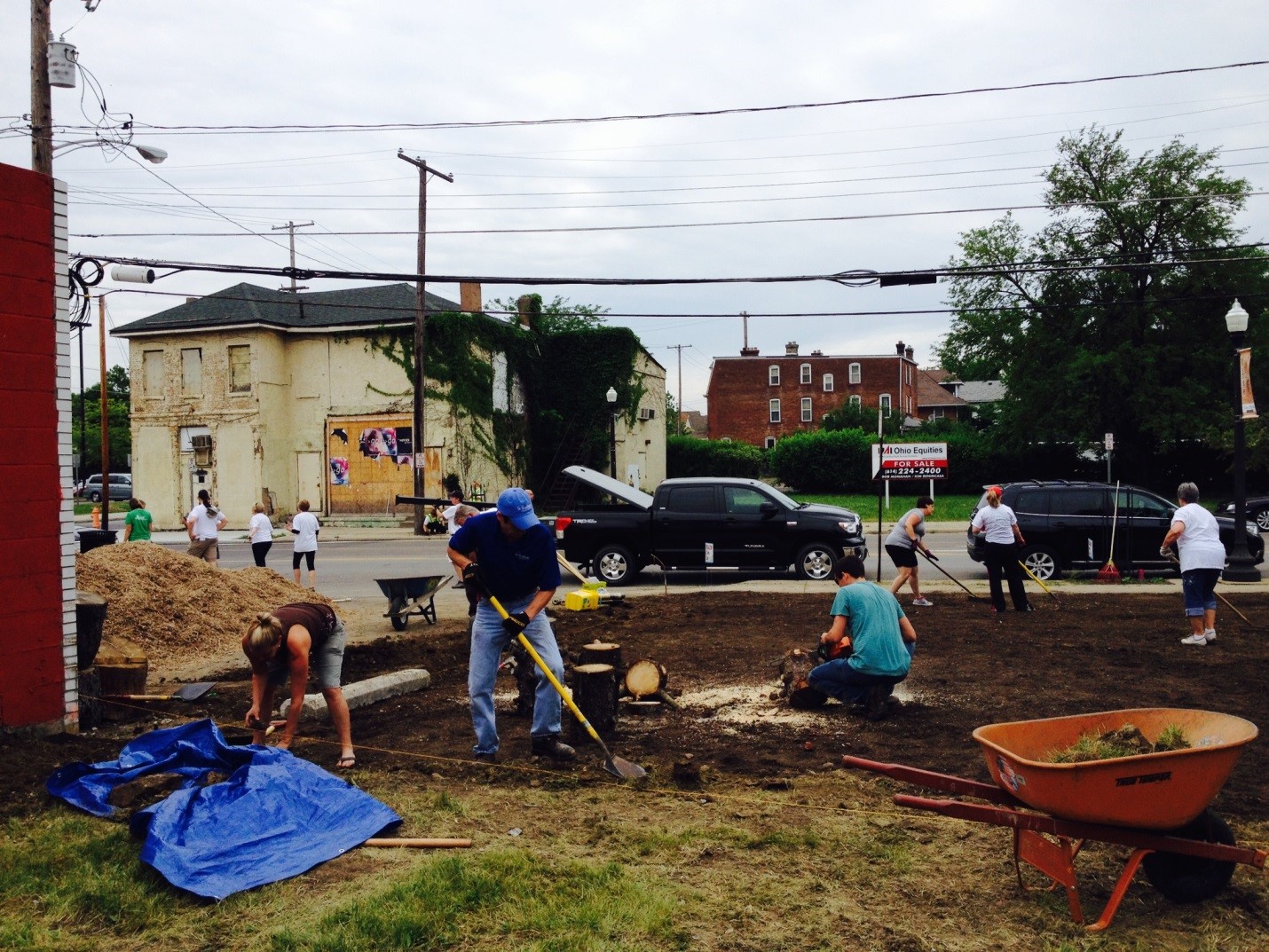
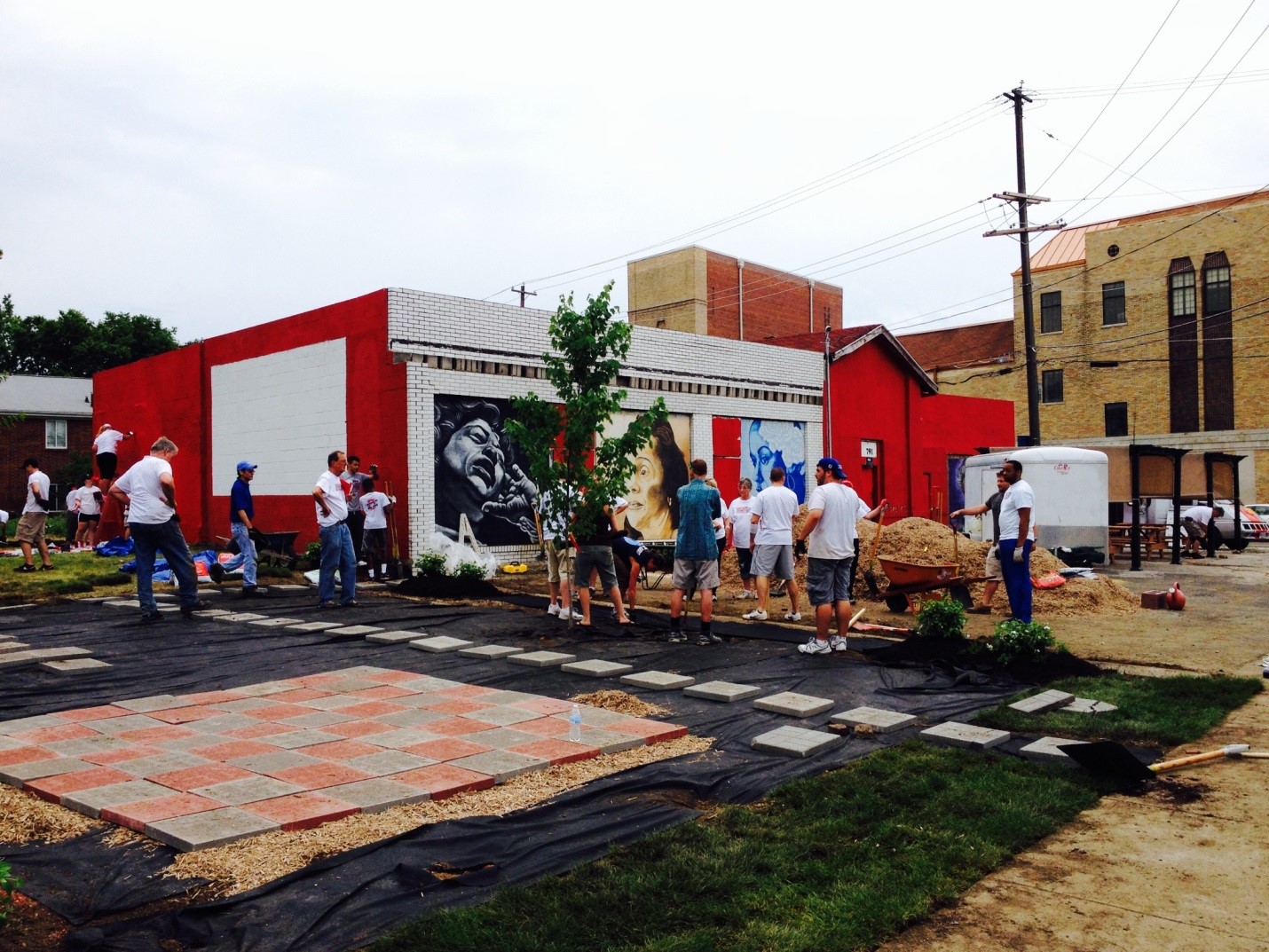
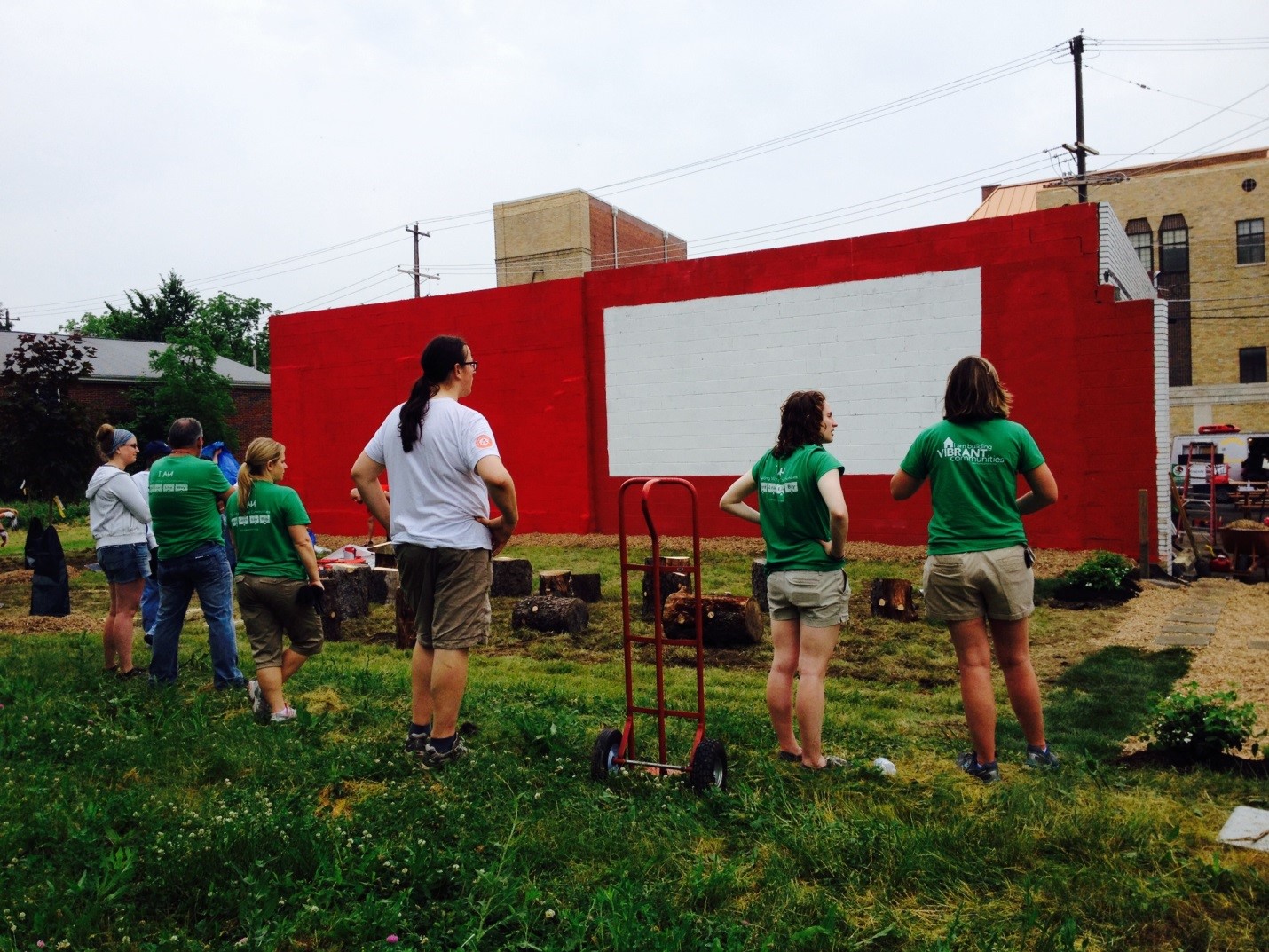
My first week as a CF Summer Fellow with Homeport has been jam packed with new people, new experiences, and a lot of learning.  I began on Monday being introduced to my fellow Fellows with whom I will be spending the summer.  Throughout the week I have been slowly getting to know the office and the ins and outs of my summer project.  One of the highlights of the week was volunteering with the Homeport sponsored project on Long Street during Realtor Care Day on Wednesday.  Almost 100 volunteers came together in just one of 25 Realtor Care Day projects throughout the city for a day to transform an abandoned lot into a community gathering space. Throughout the day I saw realtor volunteers and their kids create a life size checker board, they created an outdoor movie space with tree stumps for amphitheater seating, and they created a patio area with picnic tables where customers of the Taqueria food truck can sit and eat. 

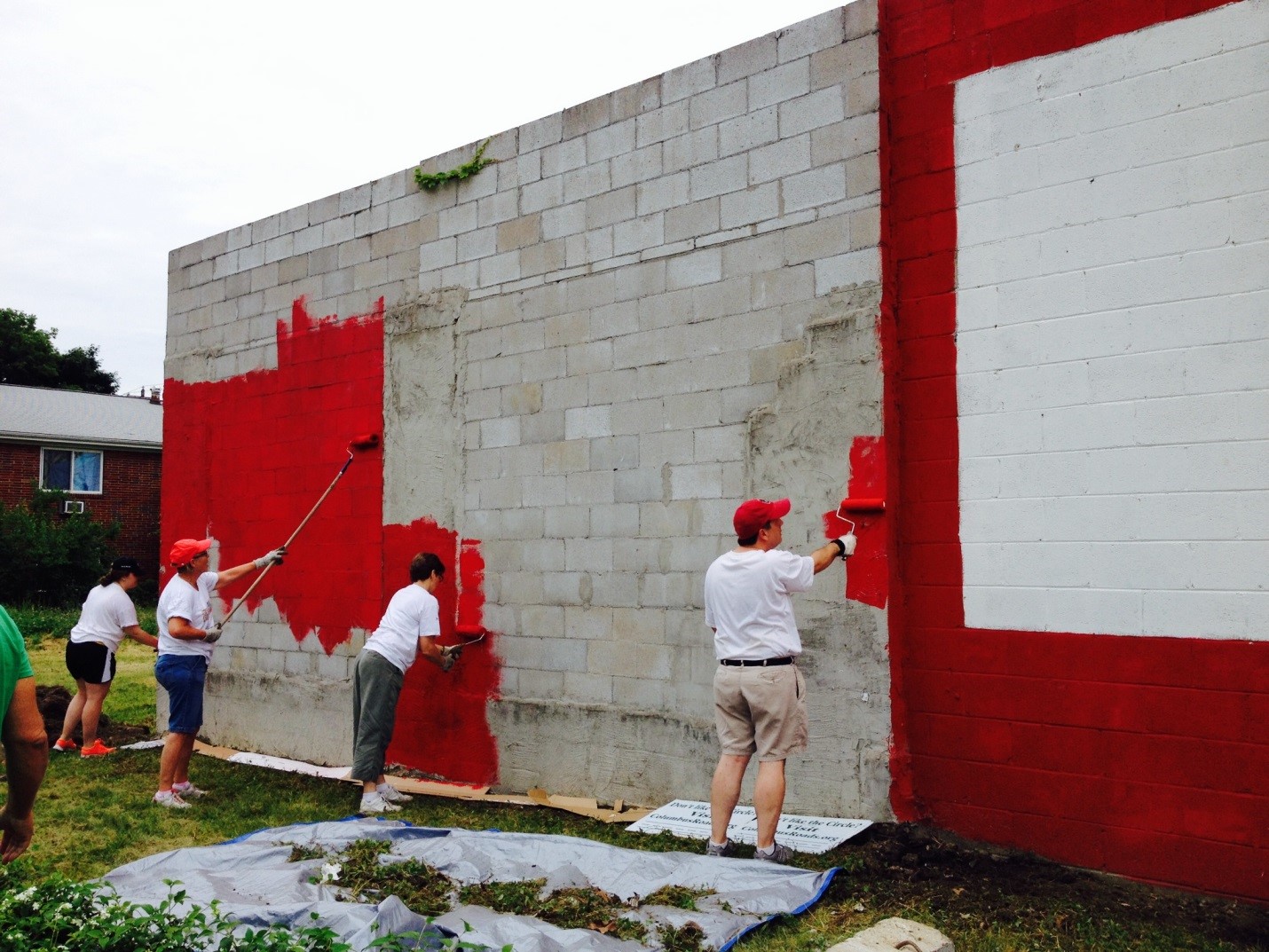
Painting the wall for the outdoor movie space

Painting the wall for the outdoor movie space


Preparing to transform the abandoned lot

Preparing to transform the abandoned lot


Creating the outdoor checkerboard and picnic table eating space

Creating the outdoor checkerboard and picnic table eating space


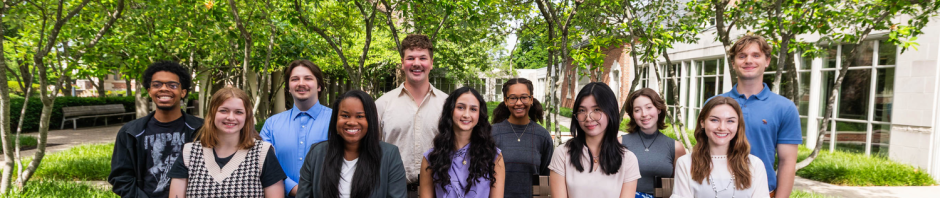
Homeport employees admiring the finished product

Homeport employees admiring the finished product


The day was a huge success and it was a lot of fun to see the revitalization mission of Homeport come alive in their North of Broad community.  After a great first week I can’t wait to see what the rest of the summer will bring!

Tagged | Leave a comment

The First Arrival

Resettlement is an entirely different world than my experience in the basic employability department of CRIS last summer. The two departments are only separated by a single staircase, but their interaction with each other might as well put them in separate countries. The idea of an office in resettlement is really just a place to store your supplies, computer and to meet with clients. For the caseworkers, the majority of the work day is spent driving around Columbus taking refugee clients to appointments, and gathering the necessary home supplies for airport arrivals. As the intern, I was responsible for buying the home supplies for the day’s afternoon arrival. The list consisted of necessities designed to give refugee clients a starting kit for living in America. My Big Lots shopping cart was filled with everything from bed sheets, cooking ware, and lamps, to shampoo, cleaning supplies, and toiletries all bought to ease the transition into American living standards and society. This week I experienced my first airport pickup. It was hard to imagine the emotions running through the minds of the people being picked up; Leaving your home forever, boarding a plane for the first time and travelling to a country they know little about and located in a cultural context foreign to most of them. They come from all over the world: Bhutan, Nepal, Somalia, Eritrea, the Congo, Burma, and Kenya to name a few, and they come either by choice or necessity seeking the safety and stability afforded by Western society. For the case workers, the airport pick up was business as usual. Many of the case workers have multiple pickups a week meaning multiple repetitions of purchasing home supplies, ordering mattresses, finding apartments, helping people settle in to their new homes, taking them to the grocery store, and applying for benefits at the county office, all daunting tasks needing to be finished within a 40 hour work week. Most of the case workers have 5 to 10 cases at one time, but Jhuma the Nepali/Bhutanese caseworker, has up to 30 cases at once! I am beginning to realize the amount of time this job consumes and how much it cuts into the personal lives of the case workers who often arrive at work around 9 and may not get home until 10 or 11 at night. But the airport arrival is the renewing and energizing force for the case workers. As the caseworker Dahir Aden told me, “the airport pickup is what makes this job worth it.” Seeing families united after years of forced separation by powers and forces they could not control, and the emotions of reuniting in a country offering a fresh start and new opportunities, I can see why the caseworkers continue to devote their precious time to their clients. .

Leave a comment